
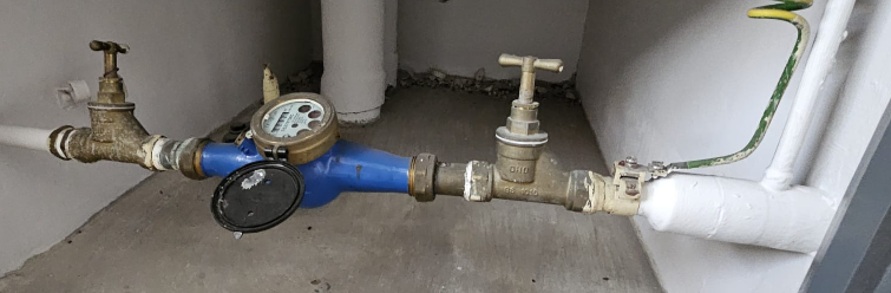
The NSF/ANSI/CAN 372 standard establishes procedures for the determination of lead content based on the wetted surface areas of products. It applies to any drinking water system component that conveys or dispenses water for human consumption through drinking or cooking.
Lead may be present in metallic alloys, coatings, solders, and other materials used in plumbing products.
NSF/ANSI/CAN 372 testing determines the lead content of materials and components that come into contact with drinking water, helping identify potential compliance issues and verify conformity with applicable lead content limits before products enter the market.

The standard specifies a maximum weighted average lead content of 0.25% for most applicable drinking water system components, while solder and flux used in plumbing applications must contain no more than 0.20% lead.
The scope includes evaluating lead physically present in materials on wetted surfaces and determining the weighted average lead content across a product assembly, where applicable.
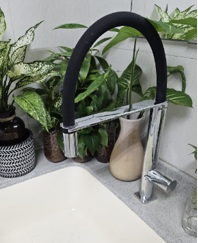
Testing may cover a variety of drinking water system components, including coatings, valves, pipe fittings and connectors, gaskets, water filters, kitchen sink mixers and other products intended for contact with drinking water.
Singapore Test Lab (STL) provides NSF/ANSI/CAN 372 testing services for the plumbing and water fitting industries. Our testing helps clients assess product lead content, verify compliance with the standard, and meet relevant industry and regulatory requirements.
With a team of experienced professionals, reliable analytical capabilities, and an ISO/IEC 17025-accredited laboratory, STL delivers comprehensive and reliable testing solutions.
Contact STL at contact@singaporetestlab.sg for more information about NSF/ANSI/CAN 372 testing.